

Fenugreek Leaves
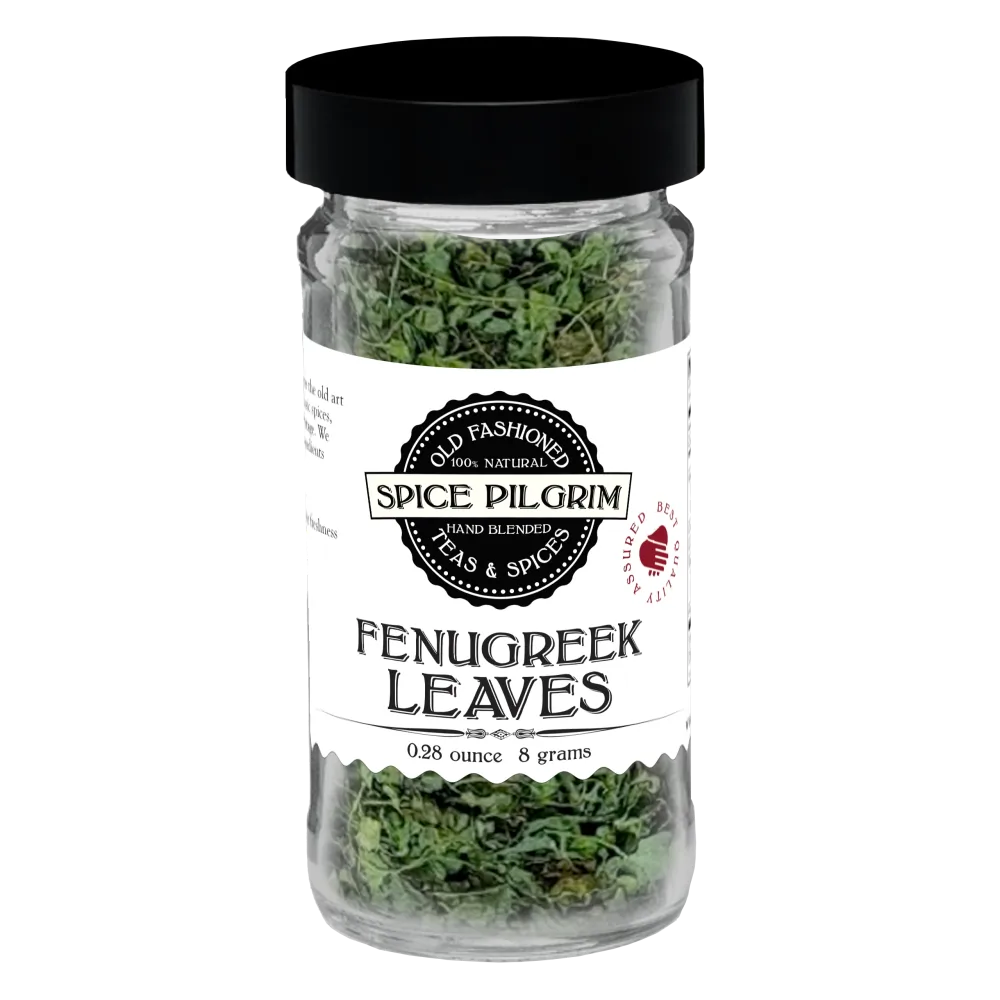
Fenugreek Leaves
No Salt, No Sugar, No Preservatives
Couldn't load pickup availability
The difference between restaurant-style curries and a flat home-cooked version often comes down to this single, fragrant herb. Dried fenugreek leaves, known as kasuri methi in South Asian cooking, introduce a complex, smoky-sweet aroma of toasted maple and earth that bridges the flavors of a rich gravy. Gently warmed and crumbled over a finished dish, they melt into the sauce, giving tomato-based curries, butter chicken, and creamy lentil dals their characteristic, professional depth.
Drying the leaves concentrates the volatile oils and aromatic compounds, transforming the fresh green herb into a potent finishing spice. Because they are rich in sotolone, a powerful aromatic compound also found in maple sap, the steam rising from the hot pot dilutes the aroma into a sweet, waffle-like scent. To release this magic, dry-toast the leaves for a few seconds in a warm pan, then actively rub them between your palms to crush them into a fine powder before sprinkling them over your dish at the absolute end of cooking.
We source our fenugreek leaves from the arid plains of Rajasthan, where they are carefully shade-dried to preserve their vivid green color and intense oils. Beyond South Asian curries, they carry immense cultural weight as shanbalileh in Iranian cuisine, where they serve as the culinary soul of the national fresh herb stew (ghormeh sabzi). They also blend beautifully into wheat flours to bake savory flatbreads or crumble over roasted root vegetables.
Single ingredient: dried fenugreek leaves. No salt, no sugar, no preservatives. Naturally gluten-free and vegan.
Allergen Alert: Fenugreek is a legume, belonging to the same botanical family as peanuts. Individuals with severe peanut, chickpea, or lentil allergies should exercise caution due to a high risk of cross-reactive allergic reactions.
Common Questions
What is the difference between fenugreek leaves and fenugreek seeds?
What is the difference between fenugreek leaves and fenugreek seeds?
Though they are parts of the same plant, they are completely different ingredients. Fenugreek seeds (methi dana) are hard, orange legumes added early in cooking fat to build a bitter, earthy background flavor. Fenugreek leaves (kasuri methi) are soft, dried leafy greens added as a finishing touch at the end of cooking to bring a sweet, herbal, and maple-like aroma. Substituting seeds for leaves will introduce a ruinous bitterness to your dish.
How do I substitute dried fenugreek leaves for fresh leaves?
How do I substitute dried fenugreek leaves for fresh leaves?
Fresh fenugreek leaves have a high water content and a grassy flavor, behaving like spinach in recipes. Dried leaves have concentrated oils and serve as a potent seasoning. If a recipe calls for dried kasuri methi, do not use fresh leaves, as they lack the sweet-smoky aromatic profile required to finish the dish.
How do I prepare and apply dried fenugreek leaves?
How do I prepare and apply dried fenugreek leaves?
For the best aroma, toast the leaves in a dry skillet over low heat for ten to fifteen seconds until warm to the touch. Let them cool slightly, then actively rub them between your palms to crush them into a fine powder as you sprinkle them over the hot gravy. Immediately cover the pot with a tight lid for a few minutes to let the steam trap and emulsify the aromatic oils.
What works as a substitute if I do not have fenugreek leaves?
What works as a substitute if I do not have fenugreek leaves?
While nothing mimics their exact smoky-maple aroma, finely chopped dried celery leaves or dried lovage offer a clean, savory vegetal greenness. Alternatively, a tiny pinch of ground fennel powder combined with a drop of real maple syrup provides a similar sweet, aromatic background, though care must be taken to prevent the dish from becoming too sweet.
Is this pure fenugreek?
Is this pure fenugreek?
Yes. One ingredient, dried fenugreek leaves, with nothing else added.
Share
Ingredients:

Fenugreek Leaves
$12.00
I use this in the Tandoori Tofu Tikka recipe and it is wonderful. Such a wonderfully different smell and taste compared to other herbs. My family loves when I make this tofu recipe.
This is my favorite spice to have on salads, the taste and freshness is amazing! I eat a huge leafy green and raw vegetable salad every day, and it is made even more wonderful by this fantastic spice!