

Stone Ground
Anardana (Dried Pomegranate Seeds)
Anardana (Dried Pomegranate Seeds)
Couldn't load pickup availability
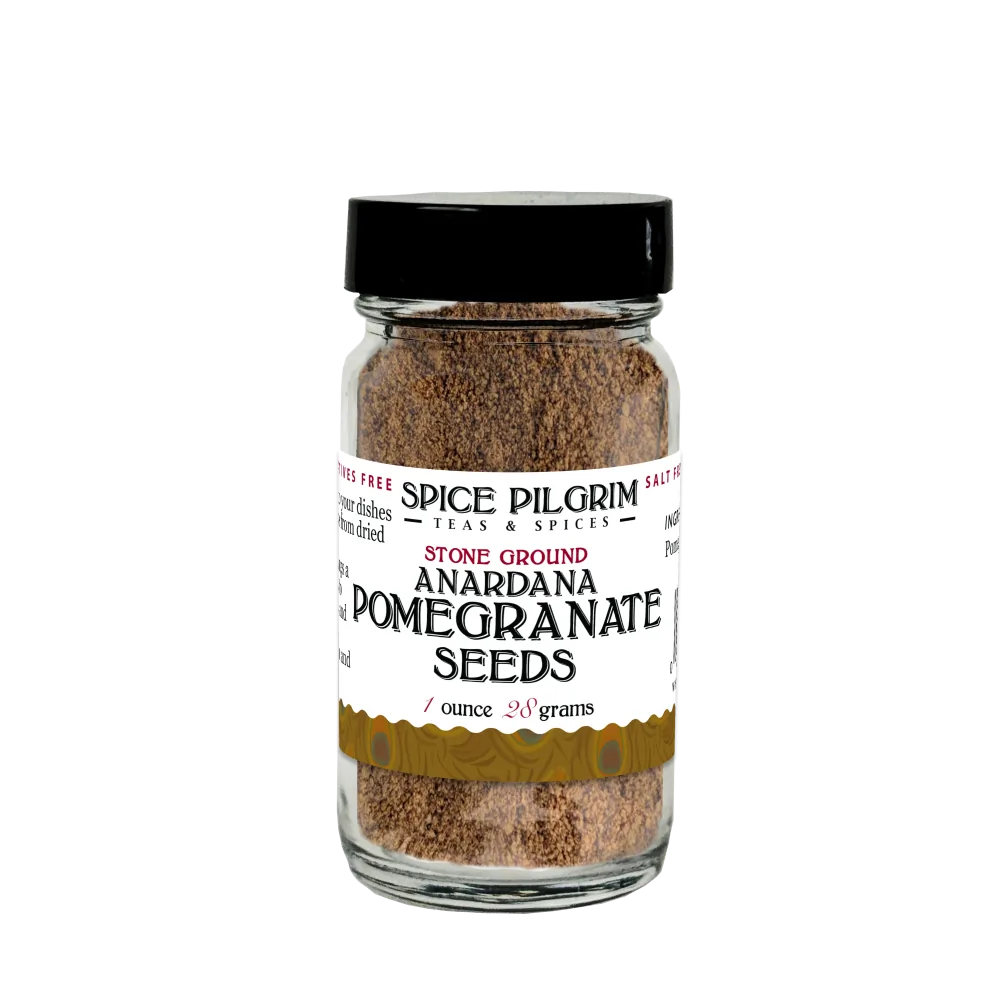
Reach for anardana when a dish needs a bright, fruity tartness, the kind of sour note you might reach for lemon or sumac to get, but deeper and more interesting. These are dried pomegranate seeds, coarsely ground so they keep a little texture and give small bursts of tang. Stir some into a vinaigrette, sprinkle it over roasted vegetables or chickpeas, fold it into a grain bowl, or rub it onto meat before roasting to cut through the richness.
In the kitchens of North India, Pakistan, and Afghanistan, where it has long been a pantry staple, anardana is the souring agent behind slow-cooked chickpea and bean dishes and the tart burst in spiced kebabs. The best anardana comes from sour wild pomegranates, not the sweet table fruit, which is what gives it that citrusy edge rather than a flat sweetness. The seeds are hard and sticky and tough to grind at home, so we grind ours coarse and pack it fresh, ready to use straight from the jar.
Coarsely ground, packed fresh. No salt, sugar, or fillers.
Common Questions
I've never used anardana. What is it for?
I've never used anardana. What is it for?
Think of it as a fruity souring spice. Anywhere you want tang, a salad dressing, roasted vegetables, a grain bowl, a marinade, it adds sourness with a deep pomegranate fruitiness that lemon or vinegar cannot. Start with a small amount and taste, since a little brings a lot of sour.
How is it used in traditional cooking?
How is it used in traditional cooking?
In North Indian and Pakistani kitchens it is the souring agent in slow-cooked chickpea curries like chole and kidney bean curry (rajma), giving them a dark, tangy depth. It is also mixed into kebab and kofta meat for bursts of tartness, and blended into fresh mint-and-cilantro chutneys.
Can I use fresh pomegranate seeds or juice instead?
Can I use fresh pomegranate seeds or juice instead?
No, and this is the most common mistake. Fresh seeds add water and sweetness, turning a sharp, dry tang into something cloying. Juice cooks down to sweet molasses, not the dry sourness these uses need. Dried anardana is a different ingredient.
What can I substitute it with?
What can I substitute it with?
Amchur (dried mango powder) is closest for a dry, fruity sourness. Tamarind works where you want a wetter, deeper tang. Sumac is a fair stand-in for finishing. None match anardana exactly, but all get you in range.
What does it taste like, and what is the texture?
What does it taste like, and what is the texture?
Deep and tart with a fruity, almost red-wine or fruit-leather aroma, far more complex than plain acidity. Because it is coarsely ground rather than a fine powder, it keeps a slight crunch and gives little bursts of sourness rather than dissolving away.
Share
Ingredients:

Anardana (Dried Pomegranate Seeds)
$12.00