

Chile de Árbol
Chile de Árbol
Couldn't load pickup availability
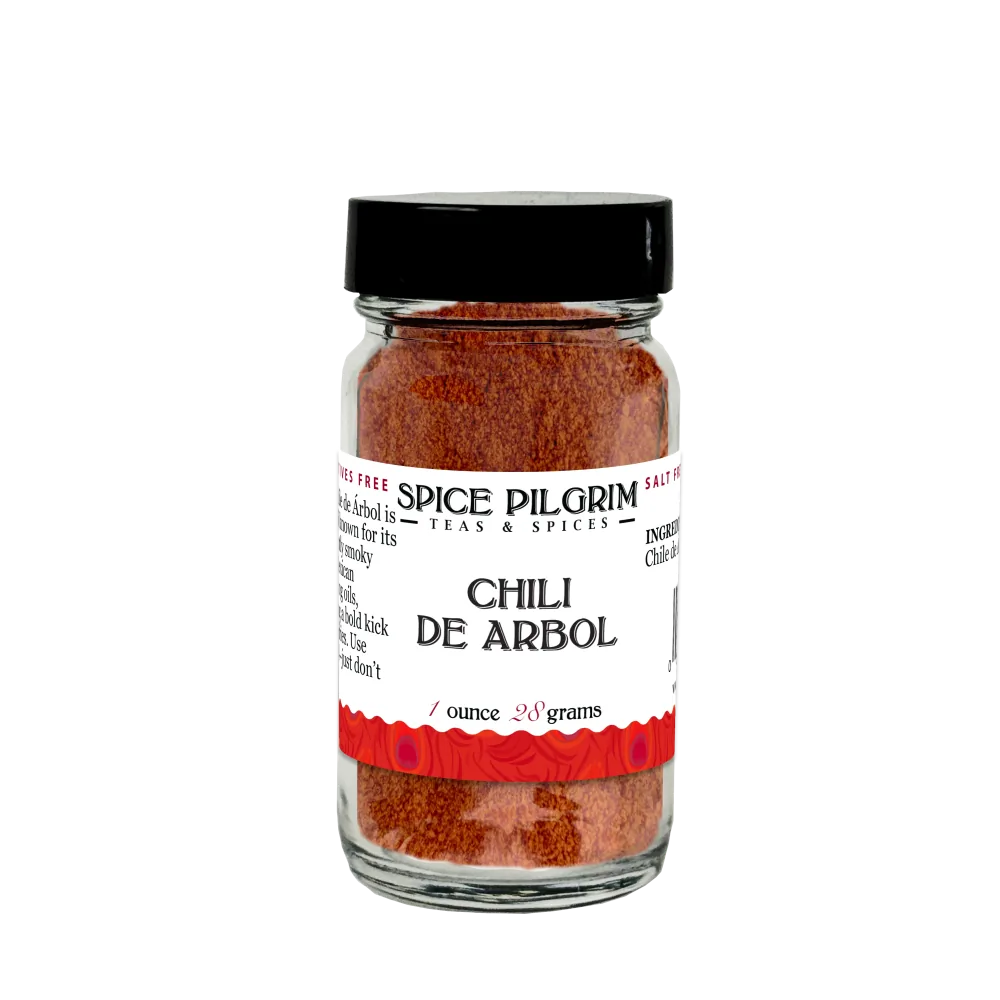
Clean, bright, direct heat, the sharp taqueria kind that punches through a salsa without muddying the flavor: that is what chile de árbol brings. These slender red pods carry a sharp, nutty, slightly grassy heat that is the backbone of the spicy red table salsas at every good taco stand (salsa taquera and salsa roja) and of the Mexican chili-and-oil condiment salsa macha. Toast a few, blend them with tomato and garlic for a smooth red salsa, fry them into a crunchy chili oil, or drop a whole pod or two into a pot of beans, marinara, or stew to lift the heat without taking over.
The heat is real but workable: hotter than a jalapeno, well short of a habanero, and bright rather than lingering. These are whole dried pods, which hold their flavor and their brilliant crimson color far longer than pre-ground chili powder. Crack one open and you get the clean, sharp aroma that tells you it is fresh, not the dusty flatness of an old jar.
Whole dried pods, packed fresh. No salt, sugar, or fillers.
Common Questions
How do I toast them without making the kitchen cough?
How do I toast them without making the kitchen cough?
Gently, and with air moving. Dry-toasting unlocks their nutty flavor, but too-high heat sends sharp capsaicin fumes into the air that make everyone cough. Toast over medium-low in a dry pan, turn constantly, and pull them the moment they smell fragrant and turn a shade darker. Open a window or run the fan. Toasting them in a little oil instead of a dry pan keeps the fumes down.
Why did my salsa turn out bitter?
Why did my salsa turn out bitter?
Two usual causes. The pods scorched: their walls are thin, so they go from toasted to burnt in seconds, and burnt chile tastes acrid. And the soaking water: unlike fleshier chiles, árbol's thin skins give off bitter, dusty notes into the rehydrating liquid, so discard that water and blend the softened pods with fresh water or stock instead.
How hot is it, really?
How hot is it, really?
Around three to six times hotter than a jalapeno: enough to register as genuinely spicy, but clean and direct rather than punishing. The heat arrives sharp and fades, instead of building and lingering the way a habanero does. Start with one or two pods and add more next time.
What if I only need a little heat in a stew or sauce?
What if I only need a little heat in a stew or sauce?
Use the bay-leaf method: drop one or two whole pods into a simmering pot of beans, marinara, broth, or braise, let them diffuse gentle heat through the dish, and fish them out before serving. No chopping, no grinding, and you control the level by how long they steep.
Can I use them in stir-fries instead of dried Chinese chiles?
Can I use them in stir-fries instead of dried Chinese chiles?
Yes, they are a great everyday stand-in for dried Chinese chiles in kung pao, General Tso's, and other stir-fries. Break the pods, shake out the seeds, and let the skins crisp in the hot oil at the start, or rehydrate in the sauce as it simmers.
Share
Ingredients:

Chile de Árbol
$12.00