The first glass of iced tea in summer is the one you remember. Cold through the ice. Sweet if you want it, plain if you don’t. The kind of drink you pour again and again without thinking about it.

Hibiscus Ginger
Ruby-red, tart, and warm with a snap of ginger: this is the...
Most people steep hot tea and pour it over ice. The ice melts. The tea gets watery. You drink it because it’s cold, not because it’s good. There is a better way. Brew it properly and you get a pitcher that stays clear and strong all day. No bitterness. No weak second glass. Just clean, cold herbal tea that tastes the way it should.

Strawberry Hibiscus
A cold pitcher of ruby hibiscus tea is a summer staple in...
The Two Methods: Hot Brew and Cold Brew
You have two options. Hot brew is faster. You steep the tea hot, let it cool, then chill it. Cold brew is slower. You steep the tea in cold water overnight. Both work. They just taste different.
Hot brew extracts flavor quickly. The heat pulls oils and tannins out of the herbs. You get a stronger, more forward cup. Some herbs, like peppermint, bloom in hot water and carry that brightness into the chilled glass. The risk is bitterness if you oversteep or overheat. Hot-brewed tea also clouds more easily as it cools.
Cold brew is gentler. The herbs steep slowly in cold water. You lose some intensity, but you gain smoothness. The flavor is rounder, softer, less likely to turn bitter or astringent. Cold-brewed hibiscus, for example, keeps its tart fruitiness without the sharpness hot water can bring. The downside is time. You need to plan ahead.
Hot Brew Method
Use twice the amount of tea you would for a hot cup. If you normally use one teaspoon per cup, use two teaspoons per cup of water you plan to steep. The tea will be diluted by ice and chilling, so you start strong.
Bring water to a boil, then let it cool for one minute. Herbal teas do not need boiling water. Around 200°F is enough. Pour the water over the tea in a heatproof pitcher or teapot. Steep for 5 to 7 minutes. Taste it. If it is not strong enough, steep another minute. If it tastes bitter, you went too long. Strain the tea.
Let the tea cool to room temperature before refrigerating. Putting hot tea directly into the fridge can shock it and cause cloudiness. Once it reaches room temperature, transfer it to the fridge. Chill for at least two hours. Serve over ice.
For a faster chill, brew the tea at double strength using half the water. Steep as directed, then pour the concentrated tea over a pitcher full of ice. The ice melts and dilutes the tea to the right strength instantly. This method works well when you need iced tea in under thirty minutes.
Cold Brew Method
Use the same amount of tea you would for hot brewing, or slightly more if you want a bolder cup. Place the tea in a pitcher. Add cold, filtered water. Stir once to make sure all the herbs are wet. Cover the pitcher and place it in the refrigerator.
Steep for 8 to 12 hours. Overnight works. In the morning, strain the tea and it is ready to drink. If the flavor is too light, add more tea next time or let it steep a few hours longer. If it is too strong, dilute it with cold water or ice.
Cold brew does not extract bitterness the way hot water can. You can leave it longer without worry. Some people steep for 24 hours. The tea just gets deeper and smoother.
Best Herbs for Iced Tea
Mint is the obvious choice. Peppermint is clean and cool. Spearmint is sweeter and softer. Both cold-brew beautifully. Hot-brewed mint can turn medicinal if you overshoot the steep time, so cold brew is the safer method for beginners. Our Peppermint is grown without pesticides and dried within hours of harvest, so the menthol stays sharp and bright even after a long steep.

Peppermint
The most common question about mint tea is the simplest one: how...
Hibiscus gives you the tart, cranberry-like punch most people reach for in summer. It brews a deep red that looks as good as it tastes. Hibiscus can turn sour if steeped too hot or too long in hot water. Cold brew tempers that edge and brings out the fruit. The Hibiscus Ginger blend adds warmth without heat, and the ginger keeps the tartness from being one-note.

Chamomile is mild and faintly sweet. It cold-brews into a pale gold tea that tastes like honey and apples. If you want something calming that is not mint, this is it. The Chamomile we carry is Egyptian-grown whole flowers, not the dust you get in a tea bag, so the flavor stays delicate even in a long steep.

Chamomile
The last warm, quiet thing in your hands before the lights go...
Lemongrass and ginger both work hot or cold. Lemongrass is bright and citrusy without being sour. Ginger is warming but refreshing at the same time. If you want a more complex pitcher, try the 10 Herbs Blend. It has peppermint, hibiscus, ginger, lemongrass, and chamomile in one mix, along with rose hip, lemon peel, orange peel, juniper berry, and goji berry. You get the full range of summer flavors in one steep.

10 Herbs Blend
Ten botanicals, and the point of all ten is balance. Tart hibiscus,...
Sweetening Iced Herbal Tea
If you sweeten, do it while the tea is still warm. Sugar does not dissolve well in cold liquid. Stir honey or sugar into the tea right after you strain it, before it cools. Taste as you go. Herbal teas are naturally sweeter than black or green tea, so you need less sweetener than you think.
Simple syrup works better than granulated sugar for cold-brewed tea. Make it by heating equal parts water and sugar until the sugar dissolves, then let it cool. One tablespoon of simple syrup per glass is usually enough. You can also infuse the syrup with herbs or citrus peel for layered flavor.
Honey is traditional with chamomile and mint. It adds body and a floral note. Agave syrup works with hibiscus because it has a slight tang that complements the tartness. Stevia works if you want zero calories, but it leaves a faint aftertaste some people notice more in herbal teas than in black teas.
Serving and Storing
Iced herbal tea keeps in the refrigerator for 3 to 4 days. After that, the flavor starts to fade. If you made a strong concentrate, you can stretch it by diluting individual glasses with ice or sparkling water.
Serve over ice in a tall glass. Add a sprig of fresh mint, a slice of lemon, or a few berries if you want. Herbal tea does not need much. The flavor is already there.
For a large batch, brew two pitchers at once using the cold brew method. One plain, one sweetened. Let people choose. Some want it straight. Others want it sweet. Both are right.
Common Mistakes and How to Avoid Them
Steeping too long in hot water is the most common error. Herbal teas do not turn bitter the way black tea does, but they can become flat and dull if you steep past 10 minutes. Set a timer. Taste the tea at 5 minutes and again at 7. You will learn what you like.
Using boiling water is the second mistake. Boiling water can scorch delicate herbs like chamomile and make them taste grassy. Let the water cool for a minute after it boils. If you do not have a thermometer, wait until the bubbles stop.
Not using enough tea is the third. Iced tea needs to be stronger than hot tea because ice dilutes it. If your tea tastes weak, you did not use enough. Double the amount next time.
Storing the tea with the herbs still in it is the fourth. The herbs keep extracting flavor and bitterness even in the cold. Strain them out as soon as the steep is done.
How long should I steep herbal tea for iced tea?
For hot brew, steep 5 to 7 minutes. For cold brew, steep 8 to 12 hours in the refrigerator. Taste the tea before straining. If it is too light, steep longer next time.
Can I reuse herbal tea leaves for a second pitcher?
Herbal teas do not resteep well. Most of the flavor comes out in the first steep. A second steep will be weak and flat. Use fresh tea each time.
Do I need to refrigerate herbal iced tea?
Yes. Herbal tea left at room temperature will spoil within a day. Keep it in the refrigerator and drink it within 3 to 4 days.
Can I mix different herbal teas together?
Yes. Mint and chamomile work well together. Hibiscus and ginger balance tart and warm. Lemongrass and peppermint are bright and clean. Start with equal parts of each herb and adjust from there.
What is the best water to use for iced herbal tea?
Filtered water is best. Tap water with chlorine or heavy minerals can interfere with the flavor. If your tap water tastes fine on its own, it will work. If it does not, filter it first.
Checkout our Iced Tea Collection
-
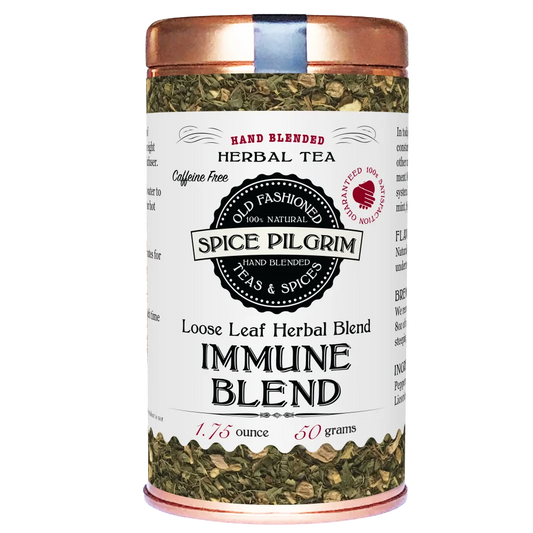
Immune Blend
Regular price From $14.00 USDRegular price -
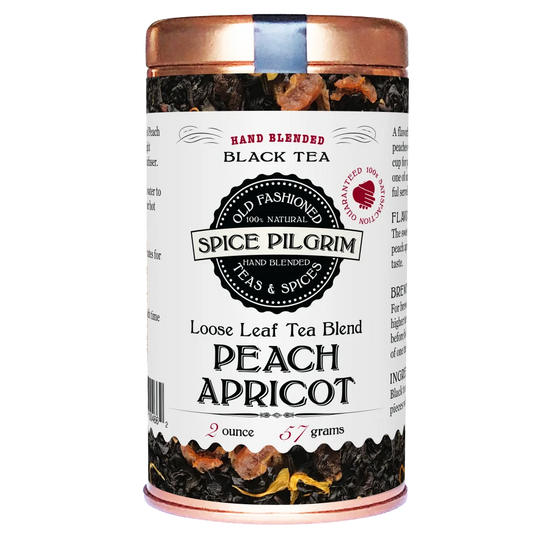
Peach Apricot
Regular price From $14.00 USDRegular price -
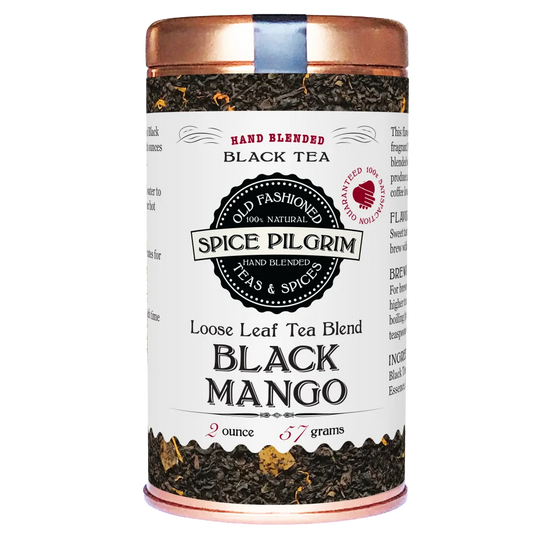
Black Mango
Regular price From $14.00 USDRegular price -
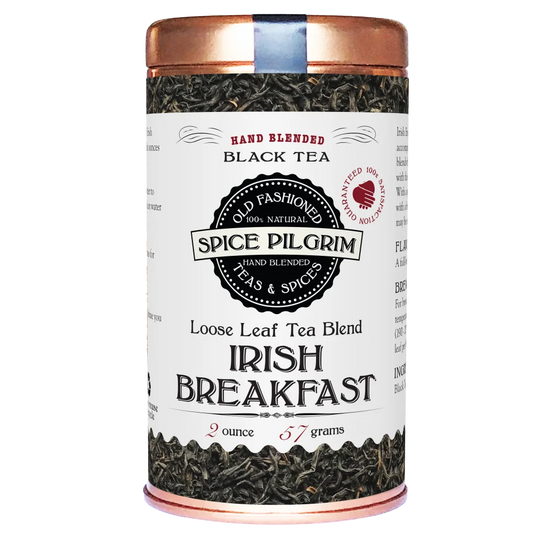
Irish Breakfast
Regular price From $14.00 USDRegular price