The glass of iced tea you pour on a hot afternoon can do more than cool you down. Herbs have been part of summer drinks for generations, not for ceremony, but because people noticed what worked. A handful of peppermint in cold water freshens the palate and settles the stomach after a heavy meal. Ginger steeped in iced tea warms the digestion even while the drink itself cools you. Hibiscus turns water red and tart, a drink valued across the tropics for its ability to refresh and hydrate when the heat is unrelenting.
These are not wellness trends. They are what people drank long before anyone called it wellness. The practice carries forward because the effects are real and the ingredients are simple. You steep herbs in cold or hot water, you pour over ice, and you drink something that does more than quench thirst.
Peppermint: The After-Meal Cooler

Peppermint iced tea is the drink you reach for after a big meal when the stomach feels heavy. Peppermint has been taken for centuries to settle digestion, a practice common from the Middle East to the Mediterranean. The menthol gives the drink its cool finish, and the herb itself is traditionally believed to ease the digestive tract.

Peppermint
The most common question about mint tea is the simplest one: how...
To make it, steep a tablespoon of Peppermint in hot water for five minutes, strain, then pour over ice. Add a squeeze of lemon if you want brightness. This is caffeine-free, sugar-free, and simple. The 10 Herbs Blend includes peppermint alongside ginger, lemongrass, and hibiscus, and makes a ready-to-steep option for a multi-herb iced tea with the same refreshing, digestive effect.
Ginger: The Warming Cooler
Ginger in an iced drink sounds counterintuitive, but the tradition runs deep. Across Asia and the Caribbean, ginger water is drunk cold in summer because while the drink itself is chilled, the ginger warms the digestion from the inside. The warmth is gentle, not fiery, and it is traditionally believed to aid digestion and settle nausea.
To make ginger iced tea, slice fresh ginger root or use a teaspoon of Ginger Root – Ground. Simmer in water for ten minutes, strain, cool, and pour over ice. You can add honey and lime. The Hibiscus Ginger blend combines ginger with the tartness of hibiscus for a drink that is both cooling and warming, sharp and smooth.
Hibiscus: The Hydrator
Hibiscus makes a deep red tea that tastes like cranberry and lemon mixed. It is drunk cold across Africa, Latin America, and the Middle East, traditionally valued for its ability to cool the body and support hydration in high heat. The tartness makes you want to drink more, which is the point.

Strawberry Hibiscus
A cold pitcher of ruby hibiscus tea is a summer staple in...
Steep dried hibiscus petals in cold water overnight in the refrigerator for a true cold brew, or pour hot water over the petals, let steep for ten minutes, and chill. Sweeten with honey or agave if you want, but the drink stands on its own. The Strawberry Hibiscus blend adds fruit and rose hips for a naturally sweet version. The Orange Sunset blend layers hibiscus with orange peel and rose hip for a citrus-forward iced tea.
Lemongrass: The Clarifier
Lemongrass tea is light, citrusy, and clean-tasting. In Southeast Asia, it is drunk hot and cold, traditionally believed to aid digestion and freshen the palate. The flavor is bright without being sweet, and it pairs well with other herbs.
Steep chopped fresh lemongrass or dried stalks in hot water for ten minutes, strain, and cool. Pour over ice with a slice of lime. The Citrus Blend combines lemongrass with lemon peel, orange peel, and licorice root for a fuller citrus profile. The Himalayan Blend adds lemongrass to a mix of hibiscus, ginger, peppermint, and orange peel, a caffeine-free iced tea that layers cooling and warming herbs together.
Chamomile: The Calm Cup
Chamomile iced tea is the drink you make when the day has been too long and the heat is still pressing in after sunset. Chamomile has been used for generations as a calming herb, traditionally taken before bed to ease tension and promote rest. Cold, it is softer and more refreshing than hot chamomile, less medicinal, more drinkable.

Chamomile
The last warm, quiet thing in your hands before the lights go...
Steep Chamomile in hot water for five minutes, strain, and chill. Add honey and a sprig of mint. The Chamomile Lavender blend adds lavender for a more floral, deeply calming version. The Good Night Tea combines chamomile with lavender, licorice root, and marigold petals for a caffeine-free iced tea meant for evening.
Spearmint: The Lighter Mint
Spearmint is softer than peppermint, less medicinal, sweeter. In the Middle East, spearmint tea is poured over ice and sweetened, a drink served at every meal. It is traditionally believed to aid digestion and cool the body.

Spearmint
Moroccan-style mint tea poured from a height, a watermelon-and-feta salad, a mint...
Steep Spearmint in hot water for five minutes, strain, and chill. Sweeten with honey or sugar. The Moroccan Mint blend combines spearmint with green tea for a traditional North African drink that can be served hot or iced. The Moringa Mint blend layers spearmint with lemongrass, lemon peel, and moringa leaves for a nutrient-dense iced tea.
Rose Petals: The Unexpected Addition
Rose petal tea is floral without being perfumed, cooling and slightly sweet. In the Middle East and South Asia, rose water and rose tea are traditional summer drinks, valued for their cooling effect and their ability to refresh the palate. Rose is traditionally associated with calming and balance, particularly in hot climates.
Steep dried rose petals in hot water for five minutes, strain, and chill. Add a squeeze of lemon and honey. The Relaxing Tea combines rose petals with ginger, peppermint, and lemongrass for a multi-layered iced tea. The Pitta Balance blend adds rose petals to peppermint, hibiscus, licorice root, and ginger, a blend rooted in the traditional use of rose as a cooling herb.
Turmeric: The Golden Iced Tea
Turmeric iced tea is earthy, slightly bitter, and deeply grounding. In South Asia, turmeric is taken traditionally for its warming properties and its use in supporting digestion and overall wellness. Cold-brewed with ginger and lemon, it becomes a summer drink that is both refreshing and substantial.
Simmer Ground Turmeric with ginger and black pepper in water for ten minutes, strain, sweeten with honey, and chill. Add lemon juice before serving. The Turmeric Ginger blend combines turmeric with ginger, lemongrass, orange peel, lemon peel, and black peppercorn for a ready-to-steep golden iced tea. The Golden Milk Mix can be steeped cold or stirred into cold milk for a spiced, caffeine-free drink.
Lavender: The Floral Cooler
Lavender iced tea is delicate, floral, and calming. In the Mediterranean, lavender has been used traditionally as a calming herb, often taken as tea before bed. Cold, it is lighter and more refreshing, less overtly medicinal, and pairs well with lemon and honey.

Lavender
A teaspoon of buds, three minutes in hot water, and you have...
Steep Lavender in hot water for five minutes, strain, and chill. Add honey and lemon. The Earl Grey Lavender can be brewed hot, chilled, and poured over ice for a floral, bergamot-forward iced tea. The Calming Red Herb combines lavender with rooibos, peppermint, ginger, and hibiscus for a caffeine-free iced tea meant for unwinding.
Fennel Seeds: The Digestive Cooler
Fennel seed tea is sweet, licorice-like, and cooling. In Indian homes, fennel seeds are chewed after meals to freshen the breath and settle the stomach, a practice called mukhwas. Steeped as tea and served cold, fennel becomes a refreshing digestive aid that tastes like summer.
Lightly crush Fennel Seeds, steep in hot water for ten minutes, strain, and chill. Sweeten lightly with honey. The Digestive Support Tea combines fennel with peppermint, coriander seeds, licorice root, and green cardamom for a traditional digestive blend that can be served iced. The Vata Balance blend layers fennel with lemongrass, lemon peel, and licorice root for a lighter, citrus-forward version.
How to Build Your Own Herbal Iced Tea
Start with one or two base herbs. Peppermint and hibiscus are the easiest place to begin. Add a citrus element: lemon peel, orange peel, or lemongrass. If you want warmth, add ginger or a pinch of black pepper. If you want sweetness without sugar, add licorice root or fennel seeds. If you want floral notes, add rose petals or lavender.
Steep in hot water, strain, and chill. Or cold-brew overnight in the refrigerator. Pour over ice and drink plain, or add honey, lemon, or lime. The herbs do the work. You just have to give them time to steep.
Why This Matters
These are not superfoods or miracle cures. They are ingredients that people have used for generations because they worked. The effects are subtle, not dramatic. Peppermint settles the stomach. Ginger warms digestion. Hibiscus hydrates and cools. Chamomile calms. These are the things the herbs do, traditionally and practically.
You do not need a wellness routine to drink them. You just need hot water, ice, and the willingness to steep something other than black tea. The herbs are there. The tradition is there. The summer heat is there. Make the drink.
What is the best herb for iced tea?
Peppermint and hibiscus are the easiest to start with. Peppermint is cooling and traditionally used to settle digestion. Hibiscus is tart, hydrating, and naturally caffeine-free. Both steep quickly and taste good without sweetener.
Can you cold-brew herbal teas?
Yes. Most herbs steep well in cold water overnight. Hibiscus, chamomile, peppermint, and lemongrass all work as cold brews. Use a tablespoon of dried herbs per cup of water, refrigerate overnight, and strain in the morning. The flavor is softer than hot-brewed tea, but it is just as effective.
Do herbal iced teas need sugar?
No. Most herbal teas have enough flavor to stand alone. Hibiscus is tart, peppermint is refreshing, ginger is warming. If you want sweetness, add honey, agave, or a pinch of stevia. Licorice root and fennel seeds add natural sweetness without sugar.
Are herbal iced teas caffeine-free?
Most are. Peppermint, chamomile, hibiscus, ginger, lemongrass, fennel, rose, and lavender are all naturally caffeine-free. Blends that include black tea or green tea will have caffeine. Check the ingredient list if you are avoiding caffeine.
How long do herbal iced teas keep in the fridge?
Three to four days. Brew in a glass pitcher, store covered in the refrigerator, and drink within a few days. The flavor fades after that, and the tea can develop an off taste.
Shop Our Collection
-
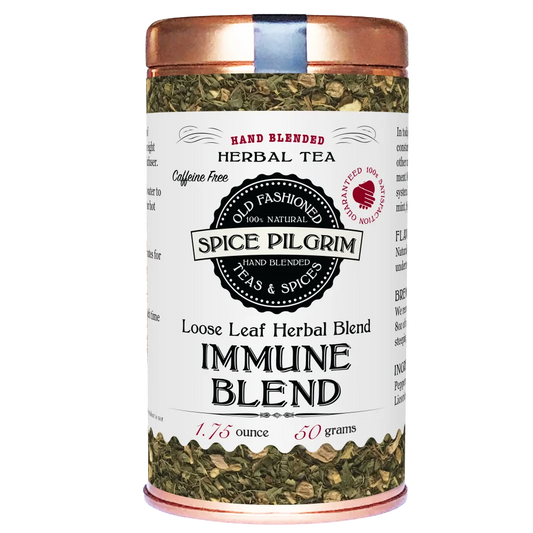
Immune Blend
Regular price From $14.00 USDRegular price -
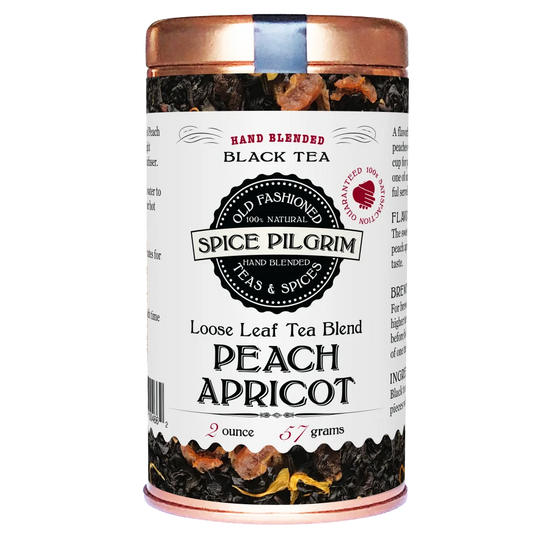
Peach Apricot
Regular price From $14.00 USDRegular price -
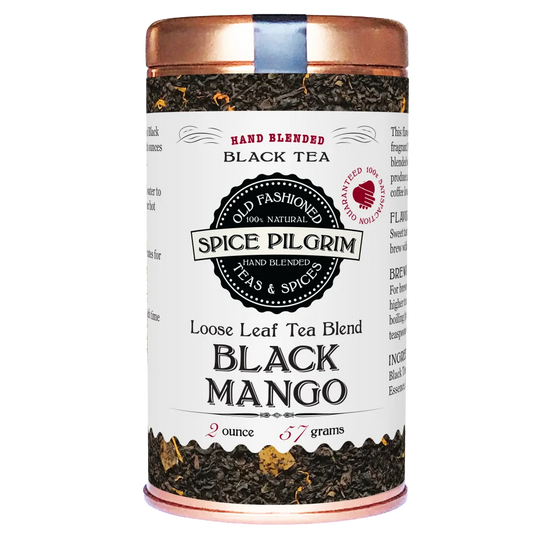
Black Mango
Regular price From $14.00 USDRegular price -
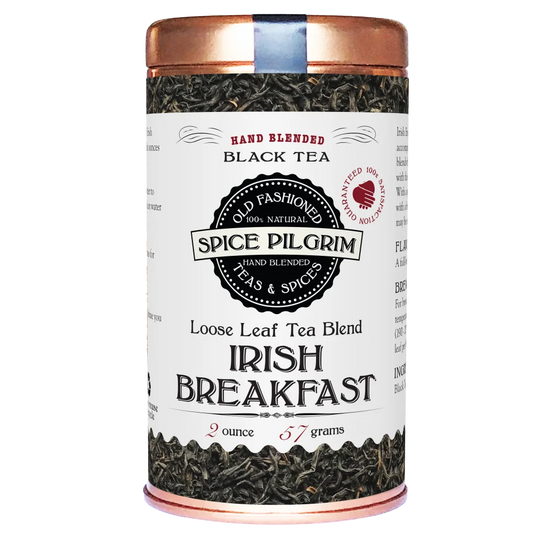
Irish Breakfast
Regular price From $14.00 USDRegular price